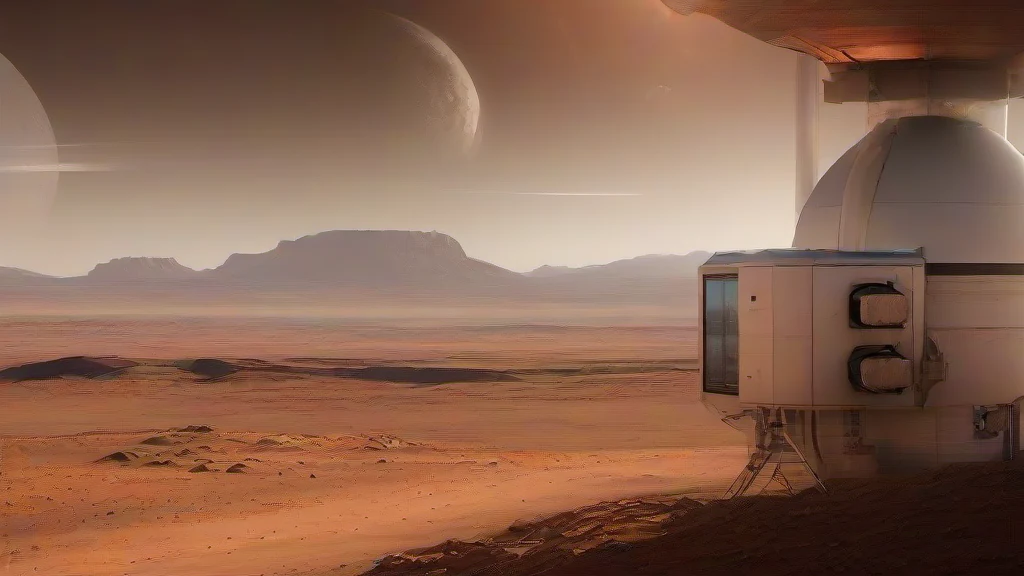
Mars may not be geologically inactive after all. Observations by the European Space Agency’s ExoMars Trace Gas Orbiter (TGO) detected hydrogen chloride emerging through fissures in the Alba Mons region, which researchers say is evidence of dormant Martian volcanism.
Hydrogen chloride is also released from magmatic vents on Earth. The team believes the gas may rise from Mars’ interior during winter and become trapped beneath ice, then escape when the ice sublimates in summer. The TGO observed unexpected seasonal spikes of the gas in the planet’s northern hemisphere and traced some emissions to volcanic fissures.
The fissures are in the Tharsis region, which also contains Olympus Mons. The volcano, about 26 kilometres above the surrounding plains, is the tallest in the solar system. Alba Mons is notable for its extensive surface area.
Earlier orbital images suggested that some Martian volcanoes may have been active within the past few million years, while seismometers have recorded marsquakes. However, researchers have lacked direct evidence of recent eruptions or lava flows. The new findings, published in Science Advances on November 4, add evidence that Mars may still retain enough internal heat to support volcanic activity.
The researchers propose that the gas is linked to a dormant magma chamber beneath the surface. They say the fissures could be useful targets in the search for Martian life: if hydrothermal systems remain active, they might provide energy and ingredients for microorganisms, while offering protection from the harsh surface environment.
Sources: Space.com.